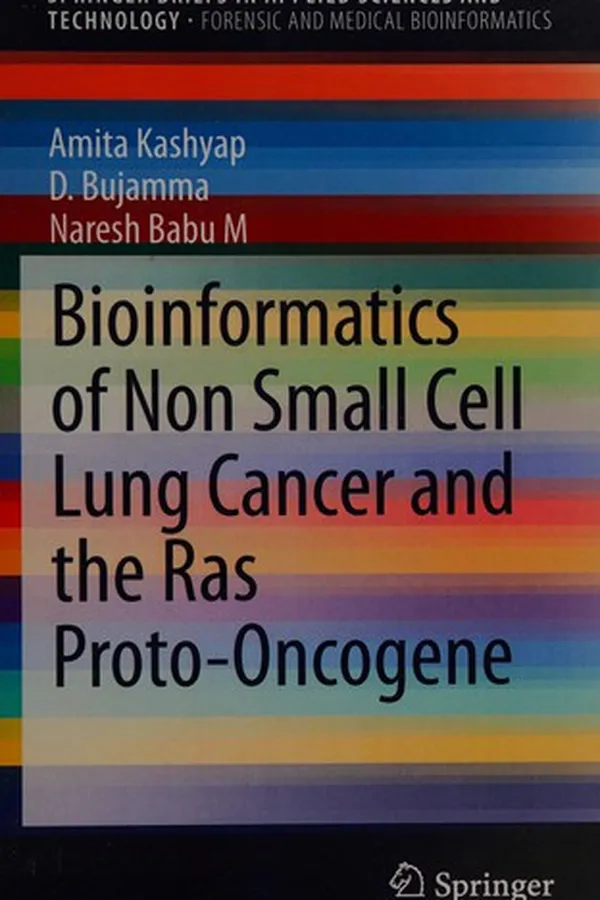
Bioinformatics of non small cell lung cancer and the ras proto-oncogene
by
Cancer is initiated by activation of oncogenes or inactivation of tumor suppressor genes. Mutations in the K-ras proto-oncogene are responsible for 10-30% of adenocarcinomas. Clinical Findings point to a wide variety of other cancers contributing to lung cancer incidence. Such …
- ● 93% match for you
- ● science & technology
the long version
Cancer is initiated by activation of oncogenes or inactivation of tumor suppressor genes. Mutations in the K-ras proto-oncogene are responsible for 10-30% of adenocarcinomas. Clinical Findings point to a wide variety of other cancers contributing to lung cancer incidence. Such a scenario makes identification of lung cancer difficult and thus identifying its mechanisms can contribute to the society. Identifying unique conserved patterns common to contributing proto-oncogenes may further be a boon to Pharmacogenomics and pharmacoinformatics. This calls for ab initio/de novo drug discovery that in turn will require a comprehensive in silico approach of Sequence, Domain, Phylogenetic and Structural analysis of the receptors, ligand screening and optimization and detailed Docking studies. This brief involves extensive role of the RAS subfamily that includes a set of proteins, which cause an over expression of cancer-causing genes like M-ras and initiate tumour formation in lungs. SNP Studies and Structure based drug discovery will also be undertaken.
Margaret's verdict
"Cancer is initiated by activation of oncogenes or inactivation of tumor suppressor genes. Mutations in the K-ras proto-oncogene are responsible for 10-30% of adenocarcinomas. Clinical Findings point to a wide …"
highlights
what readers held onto
No highlights yet. Be the first.
discussion
what readers said
No reviews yet. Finish it; tell us what you found.


