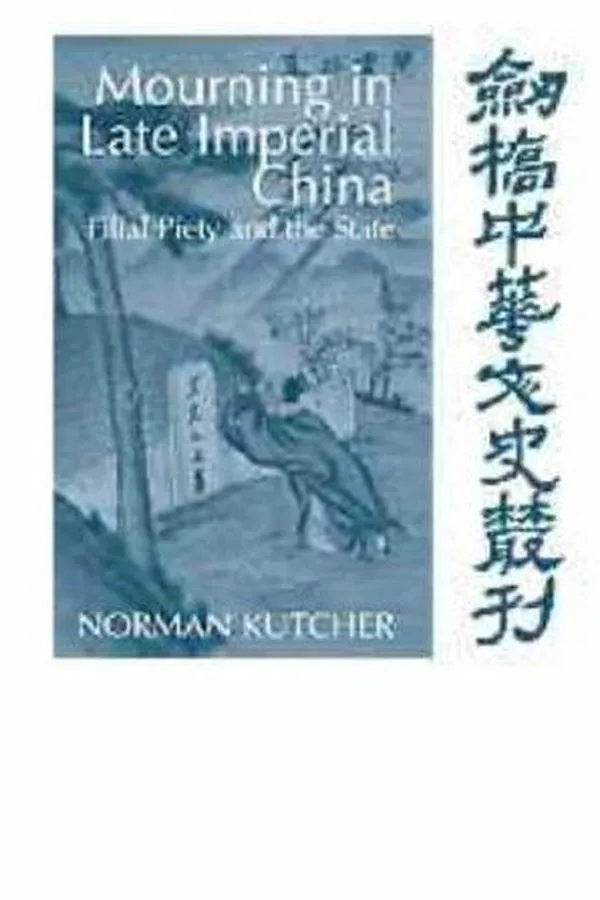
Mourning in late imperial China
by
"The new Manchu rulers of Qing Dynasty China (1644-1912), as the conquering regime, desperately needed to legitimize their rule. To win the approval of China's native elites, they developed an ambitious plan to return Confucianism to civil society. Filial piety, …
- ● 75% match for you
- ● history
the long version
"The new Manchu rulers of Qing Dynasty China (1644-1912), as the conquering regime, desperately needed to legitimize their rule. To win the approval of China's native elites, they developed an ambitious plan to return Confucianism to civil society. Filial piety, the core Confucian value, would once again be upheld by the state, and officials throughout the empire would observe the laborious and time-consuming mourning rituals that were the touchstone of a well-ordered Confucian society. In this way, the emperor would be following the ancient dictate that he "govern all under heaven with filial piety." Norman Kutcher's pioneering study of mourning in late Imperial China looks beneath the rhetoric to demonstrate how the state - unwilling to make the sacrifices that a genuine commitment to proper mourning demanded - quietly but forcefully undermined, rather than reinvigorated, the Confucian mourning system. This book will interest not only those concerned with late Imperial China, but anyone seeking to understand the role of ritual and filial piety in Chinese society."--BOOK JACKET.
Margaret's verdict
""The new Manchu rulers of Qing Dynasty China (1644-1912), as the conquering regime, desperately needed to legitimize their rule. To win the approval of China's native elites, they developed an …"
highlights
what readers held onto
No highlights yet. Be the first.
discussion
what readers said
No reviews yet. Finish it; tell us what you found.


