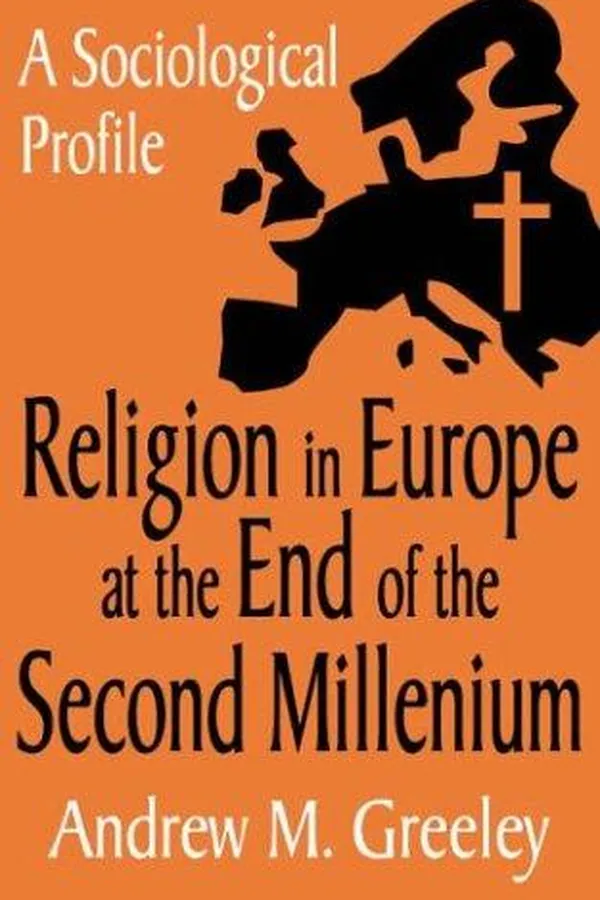
Religion in Europe at the End of the Second Millenium
por
"Religion at the End of the Second Millennium, engages the complexities of contemporary Europe to present a nuanced picture of religious faith rising, declining, or remaining stable.". "While challenging the secularization model, Greeley's approach is not polemical, but simply shows …
- ● 88% match for you
- ● religion & spirituality, science & technology
the long version
"Religion at the End of the Second Millennium, engages the complexities of contemporary Europe to present a nuanced picture of religious faith rising, declining, or remaining stable.". "While challenging the secularization model, Greeley's approach is not polemical, but simply shows the condition of religion in Europe. He examines belief in God and in life after death, belief in superstition and magic, convictions about the relations between church and state, attitudes toward religion and science, and the effect of religion on the everyday lives of people.". "Patently, religion in Europe changed enormously between the end of the first millennium and the end of the second. In Greeley's judgement, the change has been an improvement, not because superstition has been eliminated (it has not), but because freedom to exercise religious belief has replaced compulsion. Religion in Europe at the End of the Second Millennium will be of interest to scholars of religion, sociologists, theologians, and historians."--BOOK JACKET.
Margaret's verdict
""Religion at the End of the Second Millennium, engages the complexities of contemporary Europe to present a nuanced picture of religious faith rising, declining, or remaining stable.". "While challenging the …"
highlights
what readers held onto
No highlights yet. Be the first.
discussion
what readers said
No reviews yet. Finish it; tell us what you found.