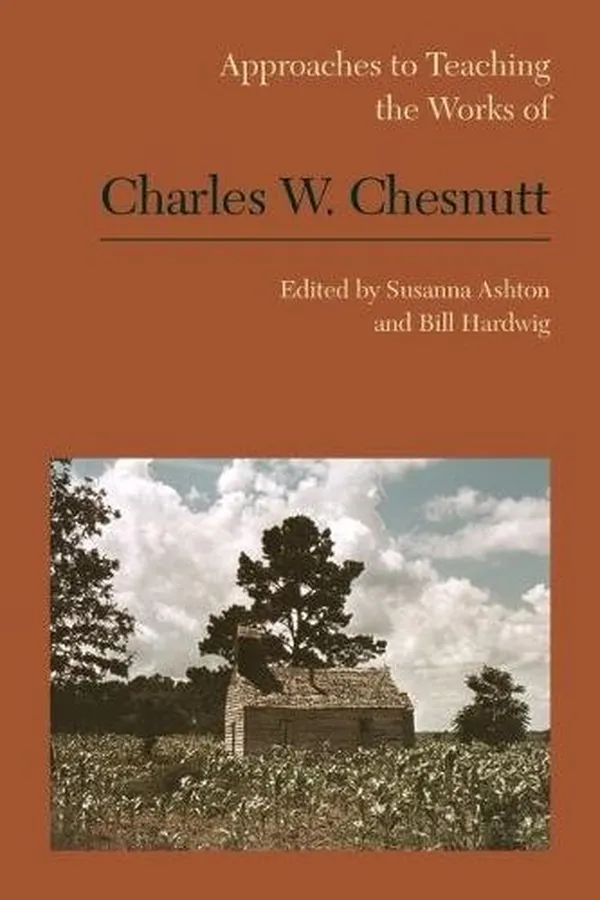
Approaches to Teaching the Works of Charles W. Chesnutt
por
"Growing up in Cleveland after the Civil War and during the brutal rollback of Reconstruction and the onset of Jim Crow, Charles W. Chesnutt could have passed as white but chose to identify himself as black. An intellectual and activist …
- ● 79% match for you
- ● art & photography, education
the long version
"Growing up in Cleveland after the Civil War and during the brutal rollback of Reconstruction and the onset of Jim Crow, Charles W. Chesnutt could have passed as white but chose to identify himself as black. An intellectual and activist involved with the NAACP who engaged in debate with Booker T. Washington and W.E.B. Du Bois, he wrote fiction and essays that addressed issues as various as segregation, class among both blacks and whites, Southern nostalgia, and the Wilmington coup d'état of 1898. The portrayals of race, racial violence, and stereotyping in Chesnutt's works challenge teachers and students to contend with literature as both a social and an ethical practice. In part 1 of this volume, "Materials," the editors survey the critical reception of Chesnutt's works in his lifetime and after, along with the biographical, critical, and archival texts available to teachers and students. The essays in part 2, "Approaches," address such topics in teaching Chesnutt as his use of dialect, the role of intertextuality and genre in his writing, irony, and his treatment of race, economics, and social justice"--
Margaret's verdict
""Growing up in Cleveland after the Civil War and during the brutal rollback of Reconstruction and the onset of Jim Crow, Charles W. Chesnutt could have passed as white but …"
highlights
what readers held onto
No highlights yet. Be the first.
discussion
what readers said
No reviews yet. Finish it; tell us what you found.