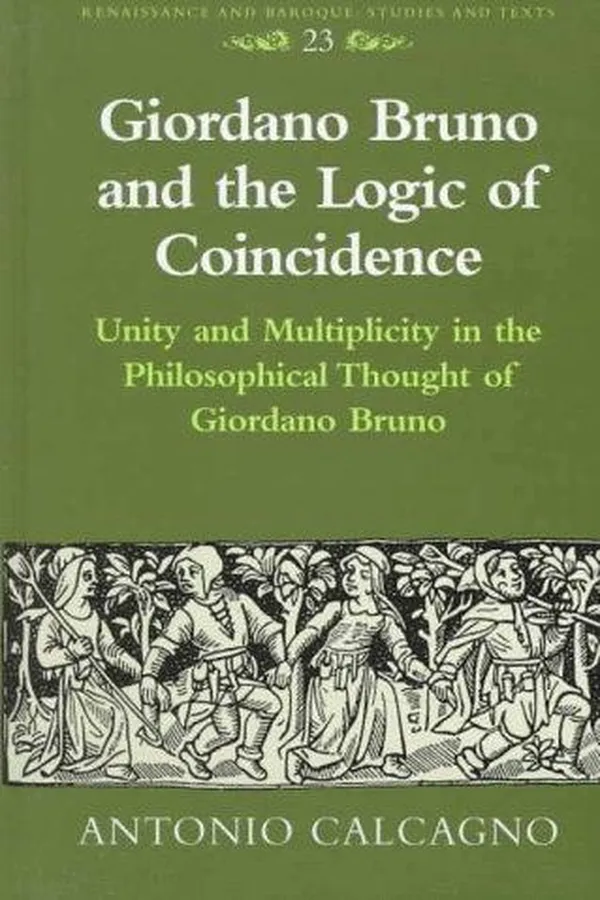
Giordano Bruno and the logic of coincidence
por
Burned at the stake for heresy, Giordano Bruno (1548-1600) was one of the Renaissance's more controversial thinkers. Current scholarship tends to read Bruno as either a Neo-Platonist who ultimately collapses reality to an overarching unity, or as an eclectic thinker …
- ● 85% match for you
- ● philosophy
the long version
Burned at the stake for heresy, Giordano Bruno (1548-1600) was one of the Renaissance's more controversial thinkers. Current scholarship tends to read Bruno as either a Neo-Platonist who ultimately collapses reality to an overarching unity, or as an eclectic thinker whose disparate and disjointed musings are essentially incoherent. By closely and critically examining Bruno's writings this book demonstrates that Bruno was very much in the spirit of Modernity in that he tried to explain philosophically the possibility of the coexistence of unity and multiplicity (difference) through the "then-scientific" logic of the coincidence of opposites. His metaphysics, cosmology and ethical thinking are to be understood through this underlying logic of coincidence, thereby rendering Bruno neither an absolute Neo-Platonist nor unintelligible.
Margaret's verdict
"Burned at the stake for heresy, Giordano Bruno (1548-1600) was one of the Renaissance's more controversial thinkers. Current scholarship tends to read Bruno as either a Neo-Platonist who ultimately collapses …"
highlights
what readers held onto
No highlights yet. Be the first.
discussion
what readers said
No reviews yet. Finish it; tell us what you found.


